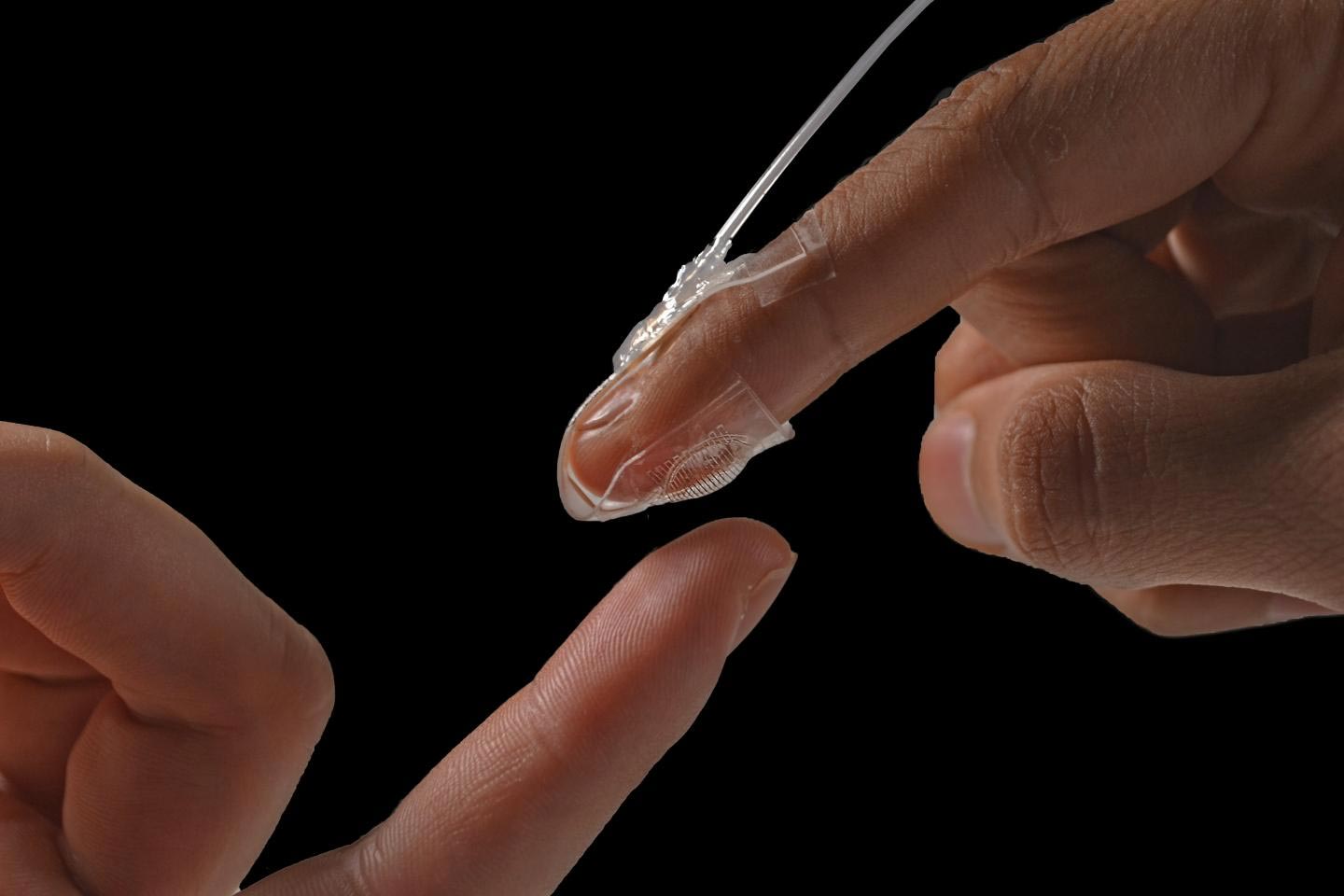
Artificial Skin for Prosthetics Inspired by Human Facial Sensory Systems
Artificial skin for prosthetics inspired by the sensory capabilities of human facial skin, providing advanced tactile feedback.
Author and publication Date
- BioSkin Innovations
Artificial skin for prosthetics inspired by the sensory capabilities of human facial skin, providing advanced tactile feedback.

Artificial Skin for Prosthetics Inspired by Human Facial Sensory Systems
Artificial skin for prosthetics inspired by the sensory capabilities of human facial skin, providing advanced tactile feedback.
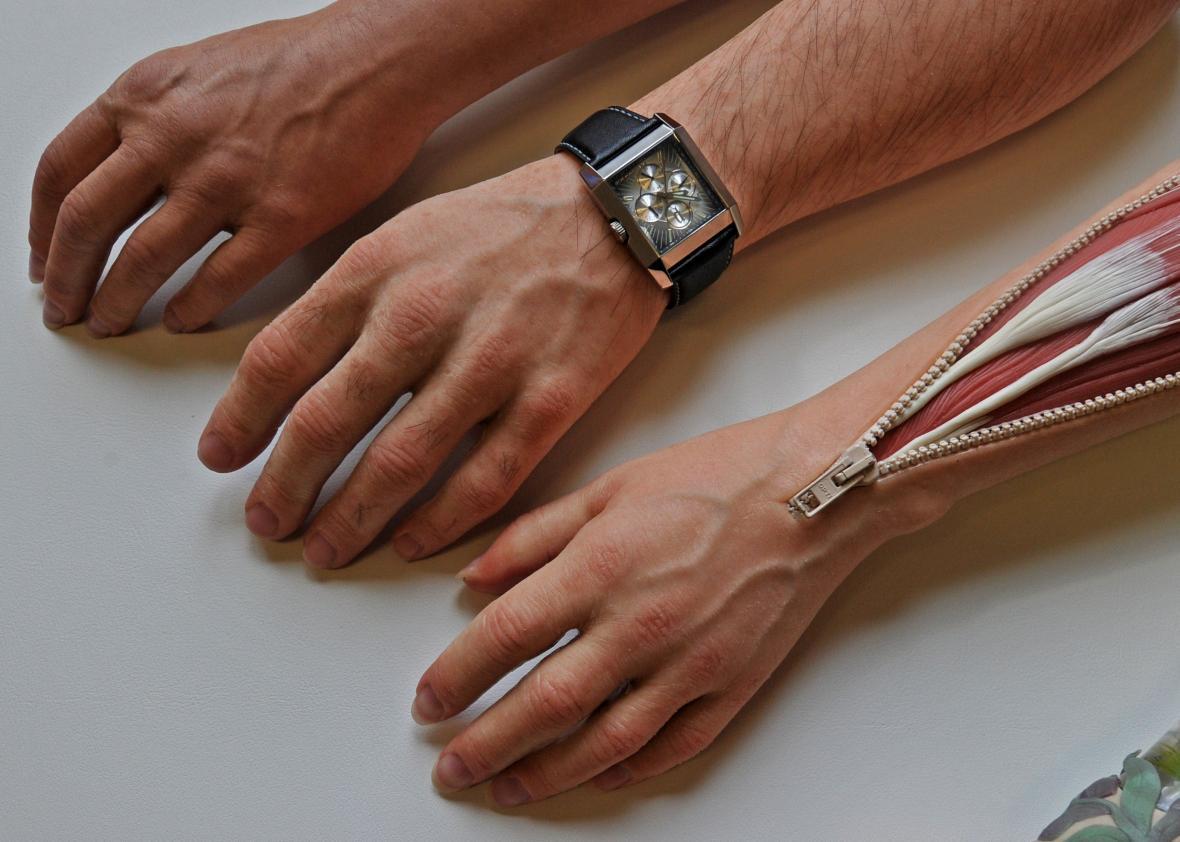
Artificial Skin for Prosthetics Inspired by Human Facial Sensory Systems
Human facial skin is highly sensitive, capable of detecting subtle changes in pressure, temperature, and texture, which are crucial for expressions and interactions. This sensitivity is due to a dense network of nerve endings and receptors. Inspired by these properties, researchers have developed artificial skin for prosthetics that mimics the tactile sensitivity and adaptive response of human facial skin. This artificial skin incorporates sensors that detect pressure, temperature, and other environmental factors, providing users with a realistic sense of touch. The technology is particularly beneficial in advanced prosthetics, allowing wearers to perform delicate tasks that require precise tactile feedback. Additionally, it is used in robotics, where it enhances the robot's ability to interact safely and effectively with humans. By replicating the sensory functions of human facial skin, this artificial skin offers a significant advancement in creating more lifelike and functional prosthetic and robotic systems.