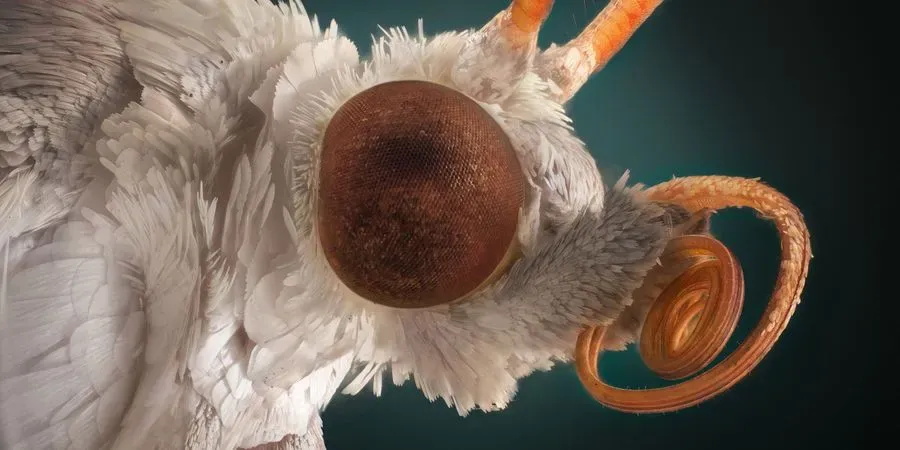
Moth Eye-Inspired Anti-Reflective Coatings
Anti-reflective coatings inspired by the microstructures on moth eyes, reducing glare and enhancing light transmission.
Author and publication Date
- NanoCoat Innovations
Anti-reflective coatings inspired by the microstructures on moth eyes, reducing glare and enhancing light transmission.
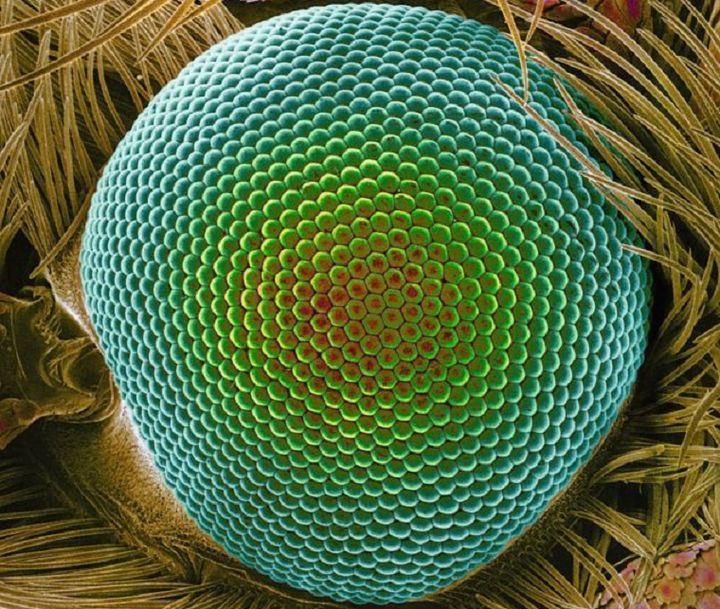
Moth Eye-Inspired Anti-Reflective Coatings
Anti-reflective coatings inspired by the microstructures on moth eyes, reducing glare and enhancing light transmission.
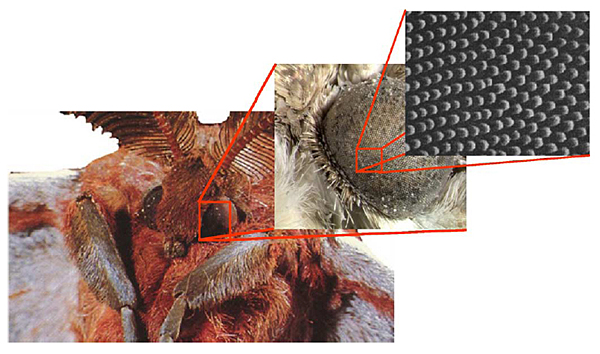
Moth Eye-Inspired Anti-Reflective Coatings
Moths have evolved eyes with a unique nano-structured surface that prevents reflections, allowing them to see better at night while avoiding detection by predators. These tiny structures, known as moth-eye arrays, minimize light reflection by gradually changing the refractive index between air and the eye surface. Inspired by this natural design, researchers have developed anti-reflective coatings that replicate the moth-eye effect, significantly reducing glare and enhancing light transmission. These coatings are applied to a variety of surfaces, including eyeglasses, camera lenses, and solar panels. In solar technology, moth-eye-inspired coatings improve the efficiency of solar cells by increasing the amount of light absorbed, leading to higher energy output. In consumer electronics, these coatings enhance the visibility and clarity of screens under bright light conditions. By applying the principles of moth eye microstructures, these anti-reflective coatings provide a sustainable solution for improving optical performance and energy efficiency across multiple industries.